IN THIS POST
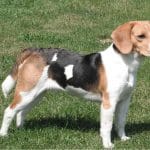
The German Shorthaired Pointer is widely recognized as an elite hunting dog. As of 2024, they were ranked by the American Kennel Club (AKC) as the 10th most popular dog in the United States. Known for their sleek, slender bodies and distinctive coat patterns, they feature “ticking” and patches that range from solid liver to black and white, roan, or combinations of all four.
History
The origin of the German Shorthaired Pointer dates back to the 17th century. The breed resulted from crossing the Spanish Pointer, the English Foxhound, and local German tracking hounds, which were renowned for their extraordinary sense of smell.
They were introduced to the United States in 1925 by Dr. Charles Thornton of Montana, who subsequently established a breeding program.
Physical Attributes
The German Shorthaired Pointer is a versatile athlete, capable of hunting both in the field and in the water.
- Standard Size: Males stand between 23 and 25 inches, while females stand between 21 and 23 inches.
- Weight: Males weigh approximately 55 to 70 pounds (24.9–31.8 kg), while females weigh between 45 and 60 pounds (20.4–27.2 kg).
- Build: They are often described as having a square or slightly longer-than-tall silhouette. Their clean-cut heads are adorned with dark brown, almond-shaped eyes and broad, high-set ears that lie flat against the head.
- Coat: They possess a short, thick coat that feels tough to the touch. The hair is slightly longer on the underside of the tail and haunches, but softer and shorter on the ears and head.
- Life Expectancy: They generally have a lifespan of 12 to 15 years.
Personality and Temperament
The German Shorthaired Pointer is friendly, intelligent, and eager to please. They typically get along well with children and other dogs, making them excellent family companions.
Because they are “super smart,” they require regular, vigorous exercise. Without at least one to two hours of daily activity, such as hiking, running, or bike rides, they may use their pent-up energy in destructive ways. Early socialization is essential. Taking them along to the store, visiting dog parks, or enrolling them in a “puppy kindergarten” helps them develop into well-rounded adults.
Living Conditions
This breed thrives with families who love adventure and involve their dog in daily activities. They are famously known as “velcro dogs” because they hate being left alone and prefer to be near their family members at all times.
A home with a large, securely fenced yard is ideal. However, pet owners should be aware that these dogs are impressive jumpers and can hop over low fences.
While they are gentle with children, their high energy means they can unintentionally knock over small kids, so supervised play is a must. They also possess a high prey drive; while they can live with cats if socialized early, they should be monitored around small pets.
Trainability
While highly intelligent, the German Shorthaired Pointer can sometimes show an independent streak. Modern training practices in 2026 emphasize positive reinforcement and partnership rather than “showing them who is boss.” Patience, consistency, and firm but kind guidance are the keys to success.
Once they learn basic cues, they excel in a wide range of activities, including agility, field trials, search and rescue, and even therapy work. Because they are so impressionable, training should begin the moment they arrive home as a puppy.
Health and Nutrition
While generally a hardy breed, the German Shorthaired Pointer is prone to certain genetic conditions. Prospective pet owners should ensure the parents have been screened for the following:
- Joint Health: Hip and Elbow Dysplasia evaluations.
- Vision: Ophthalmologist evaluations and Cone Degeneration DNA tests.
- Heart Health: Cardiac exams to check for congenital heart disease.
Nutrition & Bloat Warning: They require high-quality food matched to their high activity level. Because the breed is predisposed to Bloat (GDV), a life-threatening stomach condition, they should never be exercised immediately before or after eating. Adult dogs should be fed at least twice daily to reduce this risk.
Grooming
The German Shorthaired Pointer’s coat is very easy to manage. Weekly brushing is usually enough to remove loose hair, though they do shed more heavily during seasonal changes.
- Ears: Because their ears hang flat, they are prone to trapping moisture. Check and clean them regularly.
- Nails: Trim them monthly; if you can hear them clicking on the floor, they are too long.
Conclusion
The German Shorthaired Pointer is a brilliant, high-energy companion best suited for active pet owners.
They are not just “hunting dogs”; they are devoted family members who thrive on human interaction and outdoor adventure. With proper training, plenty of exercise, and a high-quality diet, they make one of the most versatile and loving companions in the canine world.