IN THIS POST
Key Takeaways
- Yellow vomit most often means bile, but it can also signal something more serious. Color alone is not a diagnosis.
- Morning yellow vomit in an otherwise healthy dog is often caused by bile building up on an empty stomach overnight. This is called Bilious Vomiting Syndrome (BVS), and feeding smaller, more frequent meals usually helps.
- Yellow vomit with blood, lethargy, or vomiting that won’t stop after 24 hours needs immediate veterinary attention.
- White foam, clear liquid, and mucus vomiting are also covered in this guide.
⚠ Get to a Vet Now If:
- Your dog is vomiting blood
- Your dog appears weak, lethargic, or unresponsive
- Your dog can’t keep water down
- The belly looks swollen or hard and tight, your dog is whining, won’t let you touch their stomach, or keeps stretching their front legs forward with their rear end up
- Gums appear pale, white, blue, or yellow. Any abnormal gum color is an emergency. Healthy gums should be pink and moist.
- Vomiting that is repeated or won’t stop needs veterinary evaluation within 12 to 24 hours, sooner for puppies, seniors, small breeds, or dogs with underlying health conditions
Why Is My Dog Vomiting Yellow?
When your dog vomits yellow, you’re looking at bile. This digestive fluid is produced by the liver to break down fats. Under normal conditions, bile stays in the small intestine. However, when your dog’s stomach stays empty for too long, bile can back up through the valve at the bottom of the stomach and build up where it doesn’t belong.
This bitter, irritating fluid causes the stomach to cramp and throw the liquid back up. If there’s no food in the vomit, it suggests the stomach was empty.
One common cause of yellow vomit is Bilious Vomiting Syndrome (BVS), where bile irritates an empty stomach overnight. However, recurrent morning vomiting should still be evaluated by your vet if it persists, worsens, or occurs alongside weight loss, diarrhea, poor appetite, or lethargy, as it can also point to reflux-related disease or other GI conditions.
While BVS is common, yellow vomit can also indicate more serious health issues, including obstructions, pancreatitis, or organ problems. Color alone is a clue, but not a final diagnosis.
Bilious Vomiting Syndrome (BVS)
Bile is a digestive fluid your dog’s liver produces to break down fat. Normally it stays in the small intestine where it belongs. But when your dog’s stomach sits empty for too long, bile can sneak back up into the stomach, and since there’s nothing there to absorb it, it irritates the lining until the body just throws it back up. That’s BVS in a nutshell.
Some dogs also have sluggish stomach motility, meaning the stomach doesn’t contract and push things along the way it should, which makes things worse. It tends to show up most in young to middle-aged dogs, and dogs fed once a day or early in the afternoon with a long gap before bed are more prone to it.
A small snack before bed is often all it takes to break the cycle. It gives the stomach something to work with overnight and keeps the bile where it belongs.
If that doesn’t help, your vet may suggest a prescription gastrointestinal diet or a promotility drug to help the stomach empty more efficiently. These are management tools, not a cure. They reduce the frequency of occurrence rather than eliminating a root cause. If vomiting keeps happening, your vet will want to rule out giardia, food allergies, or inflammatory bowel disease, all of which can look exactly like BVS and sometimes show up with it.
Vomit Color and Texture Guide
Your dog’s vomit can tell you a lot, if you know what to look for. Here’s what different colors and textures actually mean.
Yellow Foam vs. Yellow Liquid
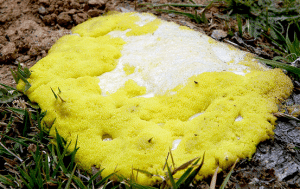
Yellow foam and yellow liquid are closely related and often appear in the same episode, just with different amounts of air mixed in. Liquid bile usually comes up quickly, before it has had a chance to move around much. Foam happens when bile and the stomach’s natural juices get shaken up with air in the stomach, which gives it that bubbly, sudsy look.

Dog Vomiting White Foam or Slime
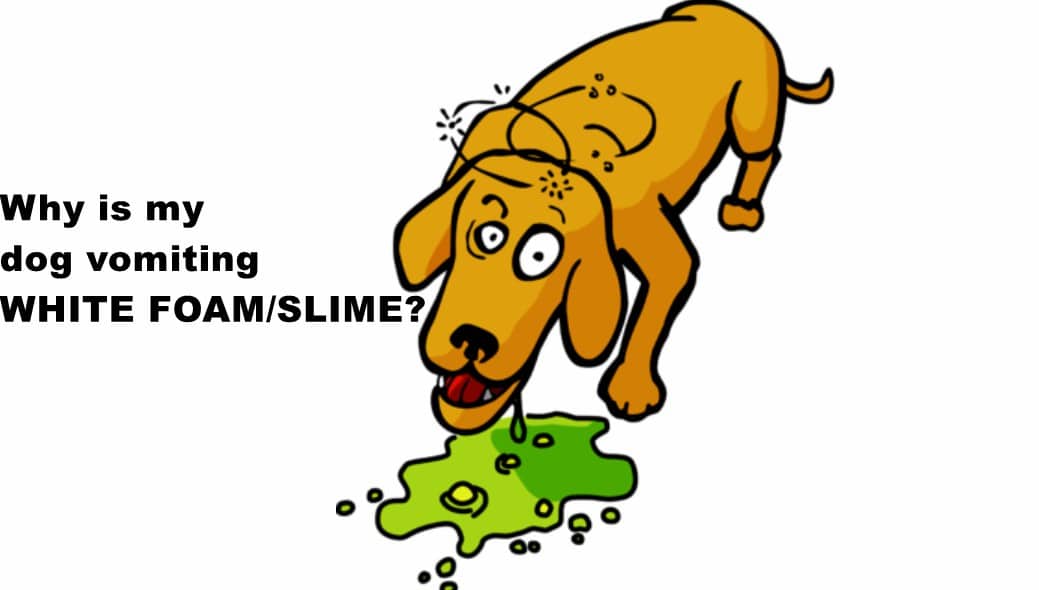
White foam is typically saliva and stomach mucus that bubbles up from the physical motion of vomiting. Besides drinking fluid too fast or acid reflux, your dog could vomit white foam due to:
- Stomach Upset: Ingesting spoiled food, garbage, or toxins can trigger immediate clearing of the stomach through foam. This is the most common cause.
- Kennel Cough: This respiratory infection often presents with white foam or thick mucus. The telltale sign of kennel cough is a dry, hacking cough.
- Stomach Bloating: Gas buildup can cause restlessness and a swollen abdomen. In deep-chested large breeds, like the Great Dane, simple bloating can progress into Gastric Dilatation Volvulus (GDV), a life-threatening emergency where the stomach twists. See the When to Act section for warning signs.
- Pregnancy: Unspayed females may experience morning sickness in early pregnancy. This can include vomiting white foam.
- Rabies: Though rare in vaccinated domestic dogs, white foaming at the mouth shows up in the late stages of rabies, usually after behavioral changes and unusual sensitivity to light or sound. Dog rabies has been largely eliminated in the US, Canada, UK, Australia, Japan, and much of western Europe.

Dog Throwing Up Clear Liquid
Clear vomit is typically pure stomach juice, or gastric acid, which helps break down food. This happens when the stomach is empty and irritated, but no bile has backed up into it yet. If your dog is heaving and bringing up clear fluid, the stomach lining is likely reacting to something. It could be an irritant, high stress, or a potential blockage.
Beyond an empty stomach, clear vomit can also point to:
- Stress and anxiety: This is one of the most common reasons for clear vomit. Loud fireworks, thunderstorms, or even a house full of guests can upset your dog’s stomach. When things calm down, the vomiting usually stops on its own.
- Liver issues: When the liver isn’t filtering properly, toxins and metabolic waste products can build up in the bloodstream, contributing to nausea and vomiting. Your vet will want to run blood work to see how the liver is doing.
- Thyroid problems: The thyroid controls your dog’s metabolism. When it’s not working right, it can trigger nausea and vomiting. Hypothyroidism, an underactive thyroid, is the more common one in dogs. Hyperthyroidism, an overactive thyroid, is pretty rare in dogs unlike in cats, and when it does show up it’s usually tied to a tumor. If your vet suspects something hormonal, a blood panel will sort it out.
- Toxins: Toxins are a major cause of clear vomiting. If you see pale gums, wide pupils, or your dog is acting drunk or disoriented, treat it as an emergency.
- Tumors: If an older dog is constantly bringing up clear liquid and nothing seems to help, it’s a red flag. A vet will usually need X-rays or an ultrasound to confirm a diagnosis.
If your dog keeps throwing up clear liquid, note the timing and share it with your vet. Even occasional episodes that stretch over a week or more deserve a checkup. The pattern is what matters, not how often it happens in a single day. It helps to write it down as it happens.
When Vomiting Gets Serious
The when and how of vomiting are often just as important as the color. Some cases are minor stomach upset. Others point to gastritis, which is the inflammation and irritation of the stomach lining. Here’s what to watch for:
- Vomiting in the Morning: This is usually caused by Bilious Vomiting Syndrome. Adding a small snack right before bed often solves it.

- Vomiting After Drinking Water: Most often this is your dog drinking water too fast, which is common after exercise, hot weather, or hectic playtime. A raised bowl or smaller portions usually fix it. But if it keeps happening, it can point to a sensitive stomach lining or ulcers. If your dog can’t keep water down for more than 12 hours, the risk of dehydration is high and they need veterinary care.
- Green Vomit or Mucus: Green vomit commonly happens after your dog has been eating grass. Dogs eat grass for lots of reasons, including boredom, instinct, taste, or sometimes an upset stomach. Occasional grazing is normal and not a concern. That said, dark green vomit can also indicate bile, intestinal contents, or ingested materials. If it’s persistent or comes with lethargy, abdominal pain, or repeated vomiting, get it checked.
- Yellow Mucus: A mix of protective slime and bile. Usually means the stomach is empty and the lining is irritated.
- Vomiting with Lethargy: If your dog is throwing up and acting very tired or off, they need same-day attention. This can point to an infection or even organ issues.
- Vomiting and Diarrhea: When vomiting and diarrhea happen together, your dog is losing fluid from both ends at the same time. This means dehydration can set in faster than you’d expect. Watch for dry or sticky gums, sunken eyes, or skin that doesn’t spring back when you gently pinch it. If your dog is still drinking and keeping some water down, monitor closely and call your vet. If they can’t keep anything down at all, that’s when a vet visit becomes urgent and they may need fluids to get rehydrated properly.
- Bloody Vomit: Blood in vomit is never something to wait out. It can show up as bright red streaks, large amounts of fresh blood, or that dark coffee grounds appearance that signals digested blood from higher up in the digestive tract. The causes and treatment of dog vomiting blood vary widely depending on what you’re seeing.
- Bloody Mucus and Diarrhea: Vomiting and bloody stool often show up together, which is why it’s worth covering both here. Bright red streaks in your dog’s stool can have a number of causes, from something as simple as eating something irritating, to colitis, parasites, or stress. Small streaks on otherwise normal stool in a dog that seems fine are usually not an immediate emergency, but still worth a vet call. What IS an emergency is heavy, sudden bloody diarrhea that looks like raspberry jam, especially combined with vomiting and lethargy. That pattern can point to a serious condition called Acute Hemorrhagic Diarrhea Syndrome (AHDS, formerly called hemorrhagic gastroenteritis or HGE). Whatever the cause, significant blood in stool always needs veterinary attention same day.
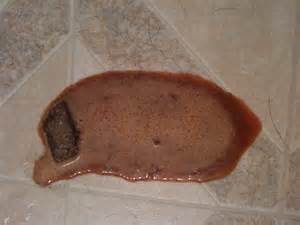
- Granular (Coffee Grounds): This dark, gritty appearance means there’s digested blood, which tells you the bleeding is coming from somewhere higher up in the digestive tract, like the stomach or small intestine. Causes range from ulcers and foreign objects to tumors. It often comes with black, tarry stools. See a vet the same day.
- Dry Heaving: Retching without anything coming up can be a sign of many things, including nausea, kennel cough, an empty stomach, or something stuck in the throat. But it can also be the earliest sign of GDV (Bloat), where the stomach twists and traps gas. If your dog’s belly looks swollen, they’re pacing, drooling heavily, or seem distressed, get to an emergency vet right now. If they seem otherwise fine and just had one or two episodes, monitor them and call your vet if it keeps happening.
Medical Causes
If your dog keeps vomiting and there’s no obvious trigger, one of these conditions may be behind it.
- Gastritis: Inflammation of the stomach lining from eating garbage, spoiled food, or things they shouldn’t. This is one of the most common causes of vomiting in dogs. Mild cases often clear up with bland food and rest, but recurring gastritis needs a vet.
- Eating Too Fast: If your dog gulps food, they often vomit it back up within minutes. This is typically regurgitation rather than true vomiting, since the food hasn’t been digested yet. A slow feeder bowl or smaller meals usually fixes this.
- Food Allergies and Sensitivities: A sudden switch in food brands or development of a new food sensitivity can trigger recurring vomiting. A vet can help identify the specific ingredient causing the reaction.
- Kennel Cough: This respiratory infection often presents with white foam or thick mucus that owners mistake for vomit. Look for a dry, hacking cough. If your dog is around other dogs regularly, ask your vet about the Bordetella vaccine.
- Pancreatitis: The inflammation is most often triggered by high-fat meals. Symptoms include severe vomiting, fever, and a dog that’s clearly in pain. They may stand with their belly pulled in and be reluctant to move or let you touch their stomach. Yellow vomit can also be an early indicator. This is more common in breeds like Miniature Schnauzers, Spaniels, and Dachshunds. Goat’s milk and other fatty supplements should be avoided if pancreatitis is suspected.
- Intestinal Blockage: Swallowed objects like toys, socks, or bones can lodge in the tract, causing repeated vomiting that eventually turns to bile or clear fluid. This is a surgical emergency.
- Chronic Enteropathy (CE): Some dogs have a digestive tract that stays chronically inflamed for no obvious reason. Vomiting comes and goes, there’s no clear trigger, and switching foods seems to help sometimes but not always. It’s sometimes referred to as Inflammatory Bowel Disease (IBD). Your vet needs to confirm it before you start changing diets. Switching to an easily digestible or hydrolyzed food often helps, but the diagnosis should come first.
- Addison’s Disease: Known as “the great pretender,” Addison’s is notoriously hard to catch because it looks like so many other things. The adrenal glands stop producing enough of the hormones your dog needs to handle everyday stress, and the result is a dog that seems fine one day and sick the next, with vomiting, lethargy, and no clear reason why. Symptoms tend to come and go, which makes it easy to dismiss as a stomach bug. Your vet will need a specific blood test called an ACTH (adrenocorticotropic hormone) stimulation test to confirm it.
- Stomach Ulcers: The stomach lining has a protective barrier that keeps digestive acid from damaging the tissue beneath it. When that breaks down, the acid starts eroding the lining itself. The most common culprit in dogs is long-term use of NSAIDs (nonsteroidal anti-inflammatory drugs) or steroids, though tumors and chronic stress can also cause them. Watch for vomiting, loss of appetite, belly pain, and in worse cases, blood in the vomit or black tarry stools. Your vet will confirm it with bloodwork, ultrasound, or endoscopy. Treatment usually runs four to six weeks and includes acid-blocking medication, a stomach-coating agent, and a bland diet. A perforated ulcer is a surgical emergency.
- Helicobacter Species Infection: Helicobacter bacteria can live in a dog’s stomach and may contribute to chronic gastritis. Whether they cause real problems or just hang around is still debated, so vets usually only treat for it when other causes have been ruled out.
- Stomach Cancer: Less common, but worth considering in an older dog with persistent, unexplained vomiting that isn’t responding to treatment. Your vet will likely want X-rays, an ultrasound, and bloodwork to get a clearer picture.
- Gastric Dilatation Volvulus (GDV): Commonly known as Bloat, this is a severe condition where the stomach twists. Because this requires immediate surgical intervention, see the When to Act section for the specific warning signs and action steps.
Vomiting vs. Regurgitation
How do you know whether your dog is regurgitating or vomiting? These two look similar but they’re very different, and telling them apart helps the vet get to the right diagnosis faster.
Regurgitation is passive. Your dog drops their head and undigested food comes out with no effort, usually soon after eating. No retching, no heaving. If it happens occasionally right after a meal, eating too fast is the most likely reason.
Vomiting is active. Your dog’s whole belly tightens and heaves. They may drool, pace, or swallow a lot right before it happens.
One more thing: if the chest and rib cage are moving rather than the belly, that’s coughing, not vomiting. Kennel cough especially can look like vomiting from across the room.
Special Risks for Puppies

Puppies will eat almost anything, making foreign body ingestion a common cause of vomiting. Their immune systems are still maturing, so parasites, viruses, and dehydration hit them harder and faster than adult dogs.
A puppy that’s vomiting and not eating or drinking needs veterinary attention much sooner than an adult dog. Puppies dehydrate quickly and can’t fight off illness the way an adult dog can.
- Parvovirus: Parvovirus should be ruled out promptly in any vomiting puppy, especially if lethargy or bloody diarrhea is present. Any unvaccinated or incompletely vaccinated puppy with vomiting should be evaluated immediately. This virus can be fatal within 48 to 72 hours without professional care.
- Puppy Fasting Safety: Puppies and toy breeds should not be fasted without veterinary guidance. Unlike adult dogs or larger breeds, they dehydrate and become hypoglycemic quickly, so if a puppy is refusing food or water and vomiting, call your vet rather than waiting it out.
- Puppy Feeding and Hydration: Feed smaller meals more frequently, up to four times a day with small snacks in between. Encourage drinking to prevent dehydration, but watch for gulping. Drinking too much fluid too fast can trigger more vomiting.
- Bland Diet and Intervention: Switch to a bland diet of boiled chicken and rice once vomiting has stopped. Call your vet right away if vomiting comes with lethargy, shaking, or refusal to drink.
When to Act
Here’s how to figure out what level of care your dog needs right now. When in doubt, default to calling your vet.
Step 1: Monitor at Home
If you’re dealing with a single vomiting episode in an otherwise alert adult dog with no other symptoms, you can usually monitor the situation. Withhold food for 6 to 12 hours to let the stomach lining rest. Keep fresh water available at all times and offer it in small, frequent amounts rather than letting your dog drink a large amount at once. Watch closely for any new symptoms, including stomach noises.
Step 2: Call Your Vet
Contact your vet for guidance if your dog vomits more than twice in 24 hours, if you see any blood, or if your dog appears lethargic. Any vomiting in a puppy needs a vet call. They can’t handle it the way an adult dog can.
Step 3: Emergency Intervention
Go to an emergency veterinary clinic immediately if you suspect GDV, parvovirus, or toxin ingestion. Other signs that require instant action include collapse, pale or blue gums, or vomiting that won’t stop. Don’t wait for an appointment in these cases.
The GDV Emergency
If your dog makes repeated, unproductive attempts to vomit, bringing nothing up or only producing white foam or thick saliva, don’t wait. This is a primary sign of Gastric Dilatation Volvulus (GDV), or Bloat, where the stomach twists and traps gas and fluid. GDV can kill within hours and requires immediate surgery. Drive to the nearest emergency vet now.
Also watch for the “Praying Position,” where a dog stretches their front legs forward while keeping their rear end up in the air. Dogs do this when they’re in abdominal pain. It’s often a sign of pancreatitis or GDV (Bloat).
Practical Diagnostic Tip
Bring a sample of the vomit in a sealed bag. Seeing the exact color, texture, and contents helps the vet make a faster and more accurate diagnosis.
Home Care and Recovery
Once you’ve ruled out an emergency, here’s how to help your dog recover at home.

Bland Diet Protocol
For healthy adult dogs ONLY, withhold food for 6 to 12 hours. Do not fast puppies or toy breeds without checking with your vet first, as they can become hypoglycemic quickly. Once vomiting stops for 6 hours, introduce boiled chicken and white rice at a 1:2 ratio every 4 hours. If stable for 24 hours, slowly reintroduce regular food.
| Situation | What to do |
|---|---|
| Single vomiting episode, adult dog | Withhold food 6-12 hours, water available at all times |
| Reintroduce food (adult) | After 6 vomit-free hours, start bland diet |
| Return to regular food (adult) | After 24 stable hours on bland diet |
| Vomiting beyond 24 hours (adult) | Call your vet |
| Puppies and toy breeds, any fasting | Do NOT fast without vet guidance |
| Puppies, any vomiting | Call your vet, don’t wait it out |
| Can’t keep water down (any dog) | Vet within 12-24 hours, sooner for puppies |
Hydration Management
Water should always be available unless a vet advises otherwise. Offer small, frequent amounts. Withholding water can cause dehydration quickly, especially in small dogs and puppies.
Medical Support and Intervention
If a test comes back showing intestinal parasites, your vet will prescribe a specific dewormer. Severe or persistent vomiting may need antiemetic medications (drugs that stop vomiting) to break the cycle. Don’t give any medication on your own if you suspect toxin ingestion. Some treatments can actually make things worse.
Supportive Recovery Tools
Talk to your vet before adding any of these, especially if your dog is already on medication. Some pet parents also want to explore options beyond conventional treatment. If that’s you, an integrative veterinarian can help you figure out what’s appropriate for your dog’s specific situation and what’s safe to combine with any prescribed medications.
- Slippery Elm Bark: This herb contains mucilage, a substance that becomes a slick gel when mixed with water. It acts as a physical barrier, coating and soothing an inflamed stomach lining, and has a long history of use in integrative veterinary practice. A 2013 clinical study found it effective in dogs presenting with vomiting and diarrhea across a range of causes. Give it separately from any other medications, as it can interfere with how drugs are absorbed. Do not use if your dog is pregnant.
- Probiotics: Beneficial bacteria that help restore balance to your dog’s gut microbiome. When a dog vomits repeatedly, the gut environment can become disrupted, and probiotics help reestablish healthy gut flora. They’re most useful during and after illness, or following a course of antibiotics that may have knocked the gut bacteria off balance. Look for species-specific formulas designed for dogs rather than human probiotics, as the strains matter.
- Ginger: A natural anti-nausea remedy widely used in integrative veterinary practice. Clinical studies in dogs show it can reduce nausea and vomiting, including in dogs undergoing chemotherapy. Use cautiously if your dog is on blood-thinning medications, NSAIDs (nonsteroidal anti-inflammatory drugs), or diabetes medications, and avoid in pregnant dogs.
- Goat’s Milk: Rich in natural probiotics and digestive enzymes, goat’s milk has a different protein structure and smaller fat globules than cow’s milk, which makes it easier for most dogs to digest. Note that it still contains similar levels of lactose to cow’s milk, so some dogs may still react. Start with a very small amount and watch for gas or loose stools. It’s not appropriate for dogs with pancreatitis or known food sensitivities, and it’s a supportive addition rather than a substitute for treatment.
- Fiber-Rich Vegetables: Pureed, cooked pumpkin or sweet potatoes provide soluble fiber that supports healthy digestion during the transition back to regular food.
Medications Your Vet May Prescribe
These are the medications most commonly used to manage vomiting and its underlying causes. Your vet will choose based on your dog’s breed, weight, and what’s actually going on. Some of these are antiemetics, which work by blocking the signals in the brain and gut that trigger nausea.
- Pepto-Bismol (Bismuth Subsalicylate): CRITICAL: Check for Xylitol (Birch Sugar), which is fatal to dogs. Check that the formulation is xylitol-free every time you buy it, as manufacturers change ingredients. Never use if your dog is on steroids or NSAIDs (nonsteroidal anti-inflammatory drugs). When your vet gives the go-ahead, it can be used for mild, short-term indigestion in an otherwise healthy adult dog. It works by coating the stomach lining and providing mild anti-inflammatory effects, with specific dosing and contraindications that are worth knowing before you use it.
- Maropitant (Cerenia): This is one of the most commonly prescribed medications for stopping acute vomiting in dogs. It blocks the neuroreceptors in the brain that trigger the vomiting reflex. Side effects are rare but can include drowsiness or a temporary drop in appetite.
- Metoclopramide: This one helps the stomach empty into the small intestine faster, which is useful for cases involving acid reflux or slow stomach emptying. Should not be used if a physical obstruction (foreign body) is suspected.
- Baytril (Enrofloxacin): A strong antibiotic prescribed only when a bacterial infection has been confirmed as the cause. Separate doses from any bismuth-based medicine (like Pepto-Bismol) by at least 2 hours so the antibiotic absorbs properly. It doesn’t stop vomiting directly. It treats the infection causing it. Possible side effects include mild stomach upset or a temporary loss of appetite.
- Phenothiazine Tranquilizers: These aren’t a first-line treatment for vomiting. They have anti-nausea properties but are primarily sedatives, and can lower the seizure threshold in susceptible dogs. Usually reserved for cases where sedation is also needed.
- Dexamethasone: NOTE: This is a powerful corticosteroid. Use with extreme caution. Steroids can cause stomach ulcers and aren’t a routine treatment for simple vomiting. They’re generally avoided in dogs with active GI bleeding or suspected foreign bodies, and only used to reduce severe inflammation in specific cases.
Dosing for all medications listed here should be determined by your vet based on your dog’s weight, age, and health history. Never administer prescription medications without veterinary guidance.
Before Your Vet Prescribes Anything
Vets often run blood work before prescribing these medications. The organs need to be working well enough to safely process the drugs. An elevated white blood cell count can point to an infection, and organ function tests help rule out kidney or liver issues as the real cause of the vomiting.
If your dog has experienced significant fluid and weight loss, they may need intravenous (IV) fluids to restore electrolyte balance before oral medications can be effective. While antiemetics stop the symptoms, they can mask signs of a worsening condition. If your dog stops vomiting on medication but starts again once the medication runs out, the underlying cause hasn’t been resolved. Go back to your vet.
Note from the Editors: This guide was originally authored by Dr. Winnie, DVM. It was updated to reflect current veterinary safety standards. To ensure the highest clinical standards, this post is currently in our queue for a veterinary re-review.
References
- VIN Veterinary Partner: Bilious Vomiting Syndrome
- Merck Veterinary Manual: Acute Hemorrhagic Diarrhea Syndrome in Dogs
- AKC: What to Know About HGE, or Acute Hemorrhagic Diarrhea Syndrome in Dogs
- PetMD: Bloody Diarrhea in Dogs
- Cornell University College of Veterinary Medicine: The Risk of Kennel Cough
- AVMA: Canine Infectious Respiratory Disease Complex (Kennel Cough)
- Merck Veterinary Manual: Pancreatitis and Other Disorders of the Pancreas in Dogs
- Merck Veterinary Manual: Helicobacter Infection in Small Animals
- Cornell University College of Veterinary Medicine: Addison’s Disease
- BluePearl Veterinary: Diagnosing Hypoadrenocorticism, The Great Pretender
- Merck Veterinary Manual: Addison Disease (Hypoadrenocorticism) in Animals
- PetMD: Gastric Dilatation-Volvulus (GDV) in Dogs
- Merck Veterinary Manual: Gastric Dilation and Volvulus in Small Animals
- Animal Medical Center NYC: Parvovirus in Dogs
- Merck Veterinary Manual: Canine Parvovirus Infection (Parvoviral Enteritis in Dogs)
- Merck Veterinary Manual: Hyperthyroidism in Animals
- Today’s Veterinary Practice: Nutritional Management of Chronic Enteropathies in Dogs
- AKC: Cerenia (Maropitant) for Dogs
- AKC: Is Pepto-Bismol Safe for Dogs?
- Whole Dog Journal: Slippery Elm for Dogs
- Great Pet Care: Can Dogs Have Ginger?
- The Whole Dog Journal: Is Goat Milk Good for Dogs?
- VCA Animal Hospitals: Bloat: Gastric Dilatation and Volvulus in Dogs
- MSD Veterinary Manual: Gastrointestinal Ulcers in Small Animals
- AKC: Bilious Vomiting Syndrome in Dogs: Causes, Symptoms, and Treatment
- University of Illinois College of Veterinary Medicine: Why Is My Pet Vomiting? Here’s One Option
- JAAHA: Bilious Vomiting Syndrome in Dogs: Retrospective Study of 20 Cases
- Vet Record: Harnessing the Microbiome: Probiotics, Antibiotics and Their Role in Canine and Feline Gastrointestinal Disease
Related posts:
 Dog Vomiting Food, Water or Worms
 Dog Vomiting Blood, Causes and Treatments
 Dog Stomach Gurgling & Making Loud Noises at Night: Is it Canine Bloat?
 How to Make a Dog Vomit Safely with Hydrogen Peroxide, Salt, Baking Soda and Mustard
 Hard Swollen Stomach in Dogs, Bloat, Causes & Remedies
 Pale Gums in Dogs: Causes and Treatment
